Four kinds of light
Orientation is not a preference. Each direction delivers a specific quality of light at specific hours, and no amount of glazing changes that.
North: constant, cool, undramatic
Steady and almost shadowless, which makes it ideal where consistency matters — studios, workshops, anywhere colour is judged. It also means a north room never gets the warmth that makes a space feel occupied, and needs help from material and artificial light.
South: abundant and needs controlling
The most generous orientation and the one that causes the most trouble when handled casually. High summer sun is easy to shade with an overhang; low winter sun is welcome; the problem is the shoulder seasons, where the same opening is alternately perfect and unbearable.
East and west: the difficult ones
Both deliver low, raking light that no horizontal overhang will control, because the sun is coming in almost level. West is worse, because it arrives in the afternoon onto a building that has already been warming all day.
The year, not the day
Most daylight thinking stops at the summer case. The useful exercise is the opposite one: what this room feels like at four in the afternoon in December, when the sun is low and the day is ending early.
Glare is not brightness
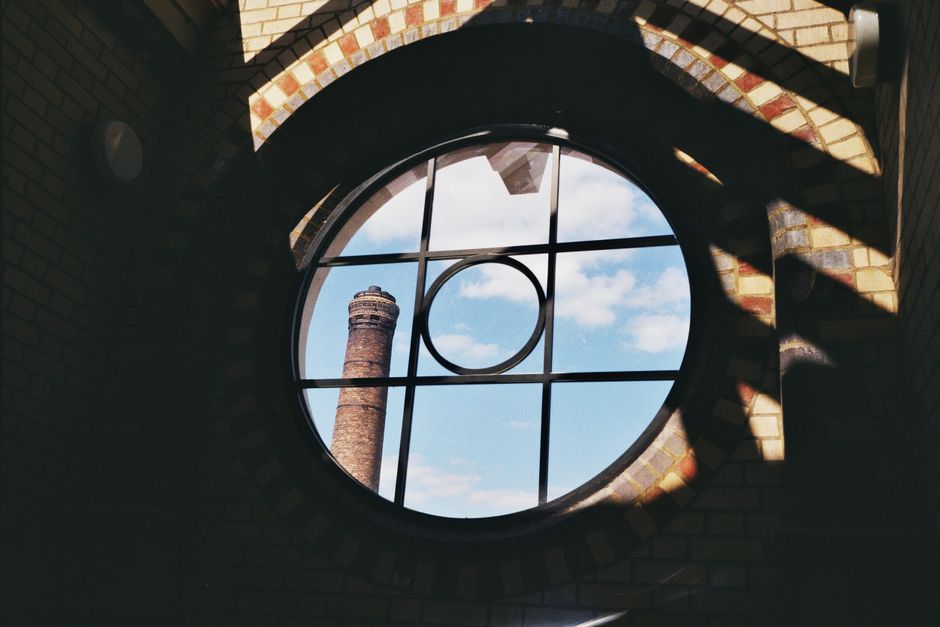
A room can be under-lit and glaring at the same time: a small bright opening in a dark wall produces exactly that, because the eye adapts to the surroundings and then meets a source many times brighter. The fix is usually more light from elsewhere rather than less from the window, which is the opposite of the instinctive response.