Specified new, lived with old
Materials are chosen from samples that are perfect and clean. They will never look like that again after the first winter.
Weathering is a design input
Timber silvers, copper patinates, brick picks up a tone from local rain. These are not defects, and detailing that tries to prevent them usually produces a building that looks worse, not better, because the ageing happens unevenly instead of uniformly.
Where the water goes
Nearly every unhappy facade is a water story: a drip detail omitted, a sill too shallow, a junction that concentrates run-off onto one spot. Streaking is not the material failing — it is the detail failing and the material recording it faithfully.
Honest versus merely rough
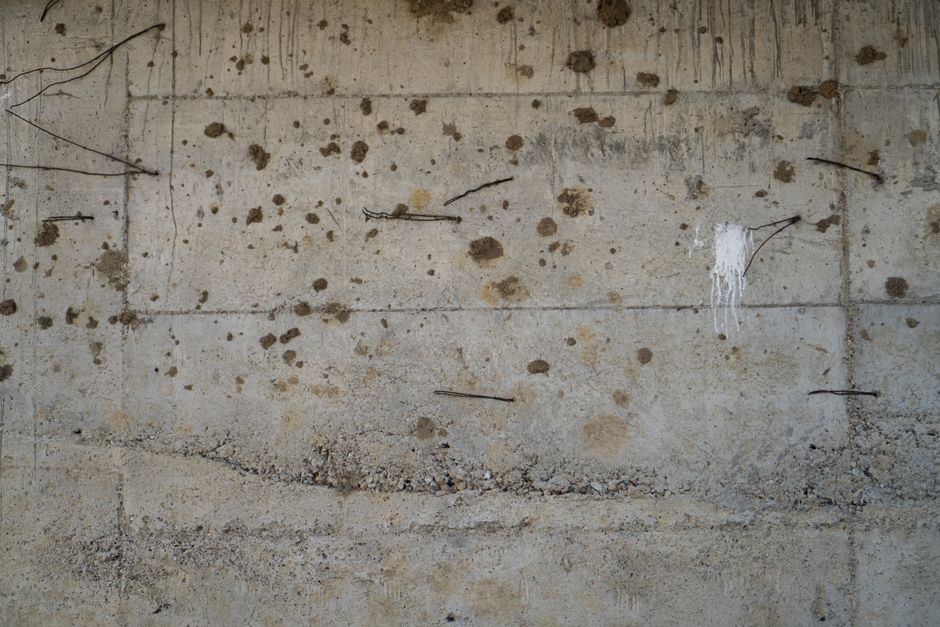
Exposed structure and raw finishes demand more precision, not less. A fair-faced concrete wall shows every error permanently, and the cost saved on finishes is spent on the care needed to make the substrate presentable.
Maintenance belongs in the decision
A material that requires attention every few years is a reasonable choice if someone will actually attend to it, and a poor one otherwise. Specifying for a maintenance regime nobody has agreed to is how buildings become shabby.
Junctions age first
Materials rarely fail in the middle of a panel. They fail where two of them meet, because that is where movement, water and workmanship all concentrate. A specification that pays close attention to materials and casual attention to junctions has the priorities the wrong way round.